

Veterinary product delivery
Temperature-controlled delivery of veterinary vaccines, medicines, biological products and diagnostic kits.

Transport of plant and biological cargo that needs phytosanitary documents.
Some cargo cannot simply be picked up and shipped. Plant raw materials, seeds, biological samples and components for drug manufacturing need phytosanitary documents when shipped across the border and within the country. Without a properly issued phytosanitary certificate (a document confirming that the cargo is safe and does not carry plant pests and diseases), the cargo will be held up at control, and the deadlines and the temperature mode will be disrupted.
BIOCARD takes on phytosanitary support: we prepare the documents, pass the control of Rosselkhoznadzor (the Russian Federal Service for Veterinary and Phytosanitary Surveillance, which inspects such cargo) and, where necessary, ship the cargo in our SafePack thermal container at the required temperature mode — from deep freezing to room temperature. Our own customs broker since 2013 and our experience of international shipments (including China → Russia) help us take the cargo across the border with minimal downtime.
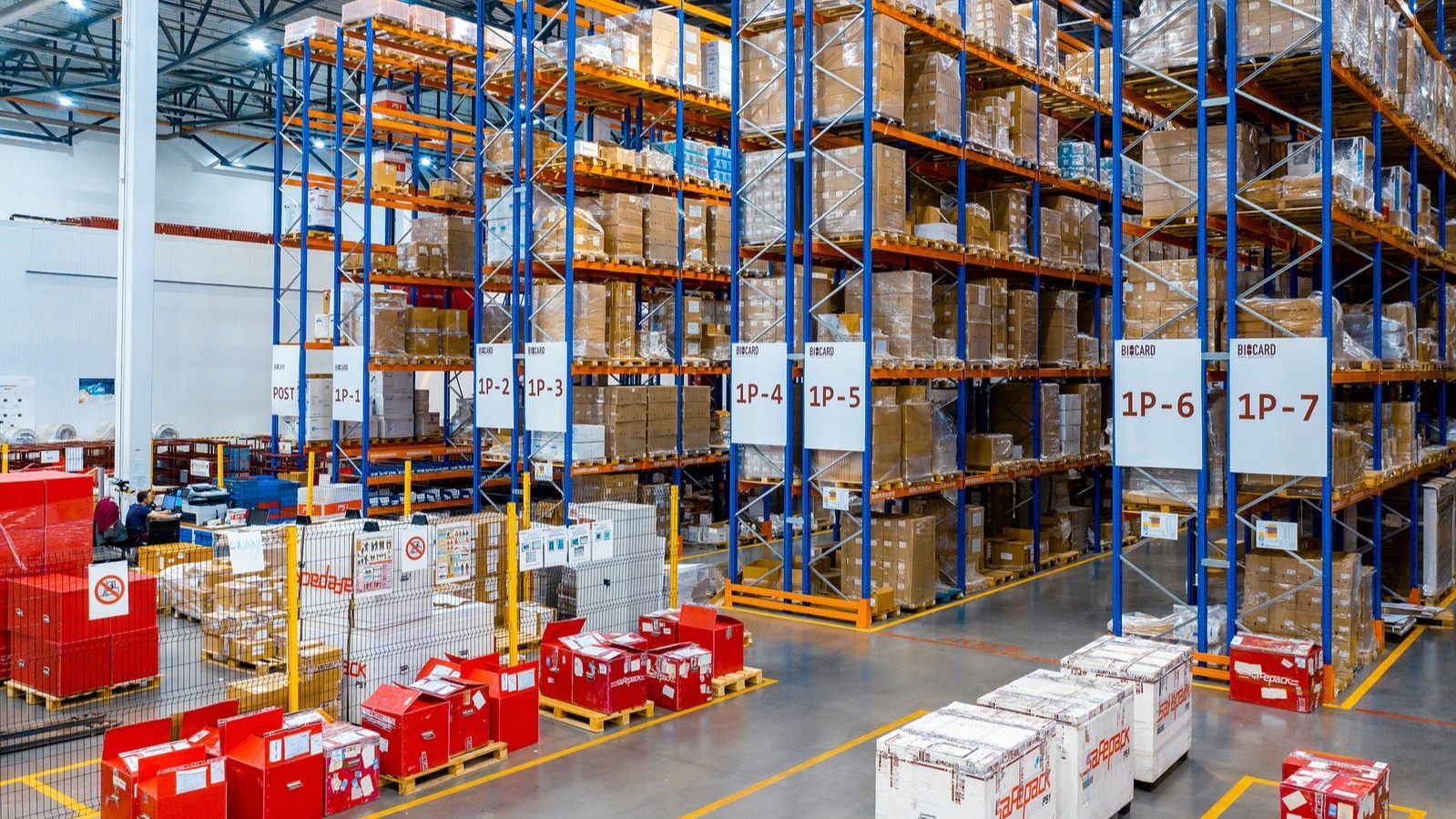
Phytosanitary control is required for cargo of plant and biological origin, and also for raw materials, packaging and materials that can carry plant pests and diseases. If your cargo is on this list, we will prepare the documents and ship it.
Medicinal plants, seeds, extracts and plant substances for drug manufacturing — everything that is subject to phytosanitary control on import and during transport.
Samples of plant and biological origin for clinical trials and laboratories — shipped with the temperature mode and integrity maintained.
Components and substances of plant origin for pharmaceutical and biotechnology manufacturing that need accompanying phytosanitary documents.
Imports from abroad (including China → Russia, the UAE and the Gulf countries), where a phytosanitary certificate is required to pass control.
We look at what the cargo is, where it travels from and to, and which phytosanitary and customs documents are needed. We speak plainly, in simple words, with no unnecessary forms.
We prepare and obtain the phytosanitary certificate and pass Rosselkhoznadzor control. For international shipments we do this together with customs clearance through our own broker.
For temperature-sensitive cargo, we select a prepared SafePack thermal container and logger for the agreed range. Packing, handover and any dry-ice loading follow the shipment plan confirmed before dispatch.
The SmartSensor logger records temperature, humidity, shocks and light along the whole route. The data is read through a network of receivers in our vehicles and at warehouses, or with a phone app. The record shows whether the temperature mode and the integrity of the package were kept from loading to hand-over; the temperature report is kept in the request card in your personal account (Files tab) once it is attached to the order, and the shipment documents are handed over after delivery.
We do not leave you to sort out phytosanitary documents on your own. We arrange the certificates and go through the control ourselves — you receive a finished result.
Our own: SafePack thermal containers, SmartSensor temperature loggers, a platform and personal account, a 30,000 m² Class A warehouse, our own fleet and our own IT team. The more we do ourselves, the fewer points where something can go wrong.
Our own customs broker since 2013; we have supported clinical trials since 2007. We ship on the China → Russia route and work with the UAE and the Gulf countries.
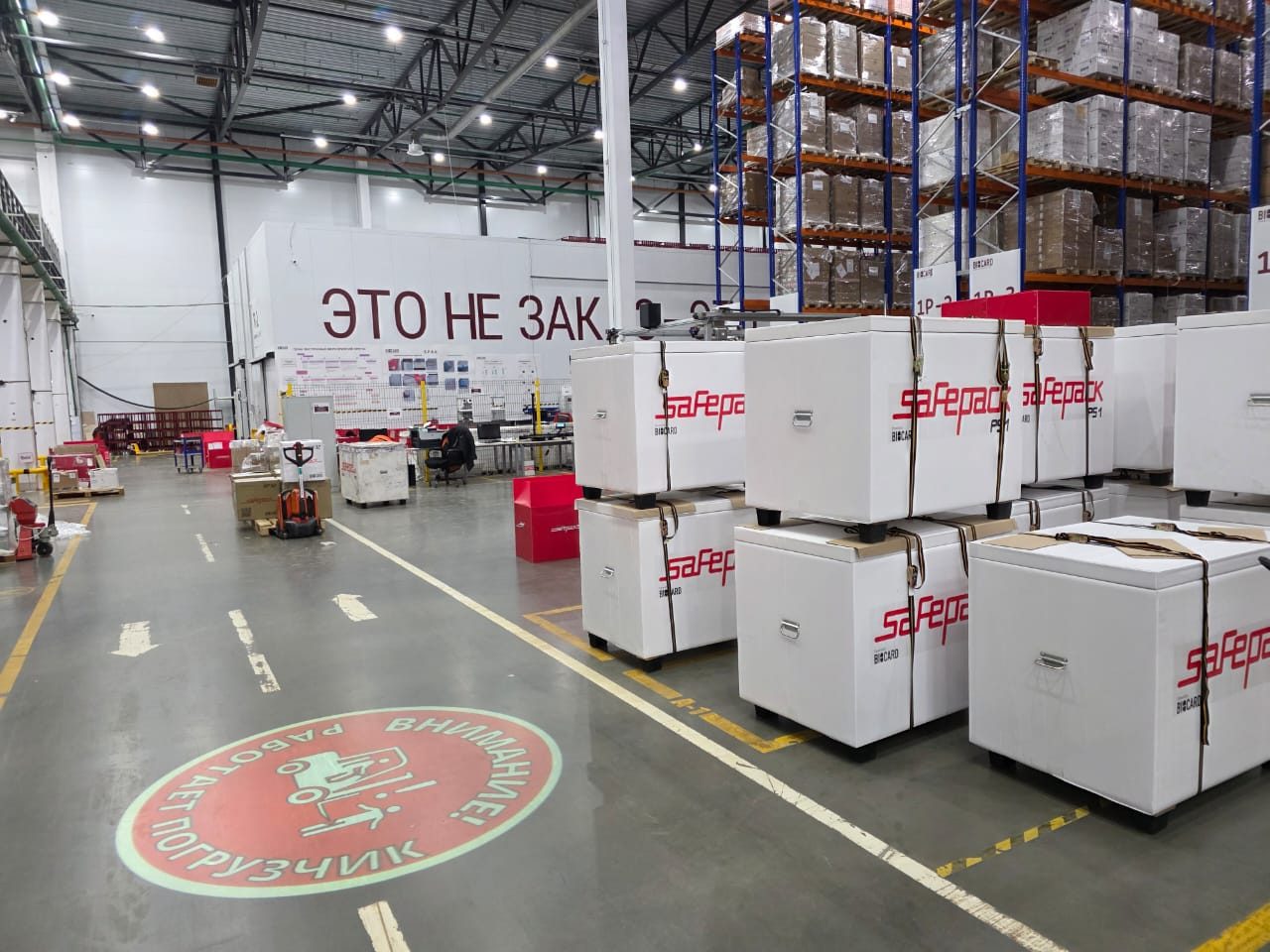
If the cargo needs cold, a SafePack thermal container holds the temperature mode with no external power for up to 96 hours (selected validated PCM configurations, specified test conditions). We also work with dry ice at −70 °C.
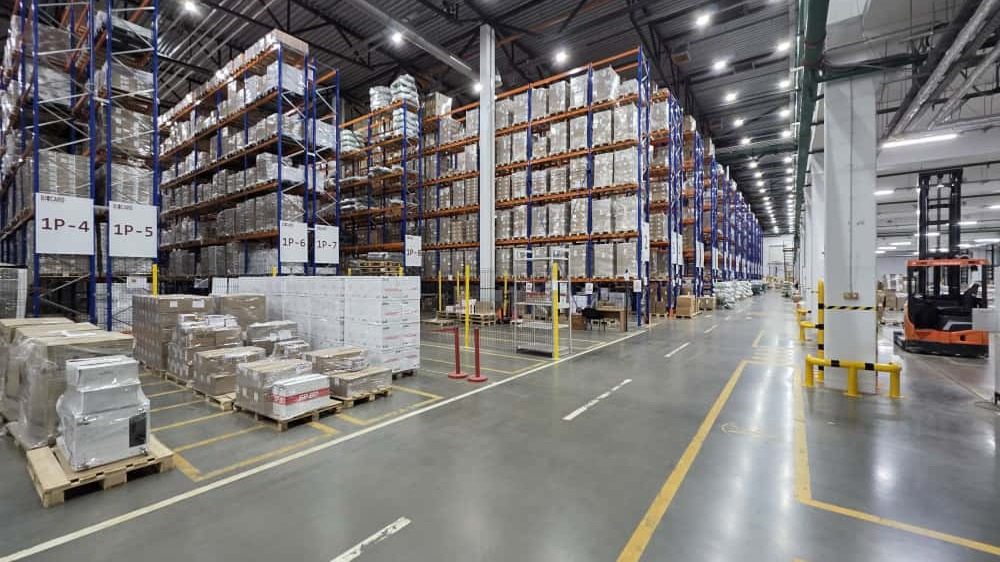
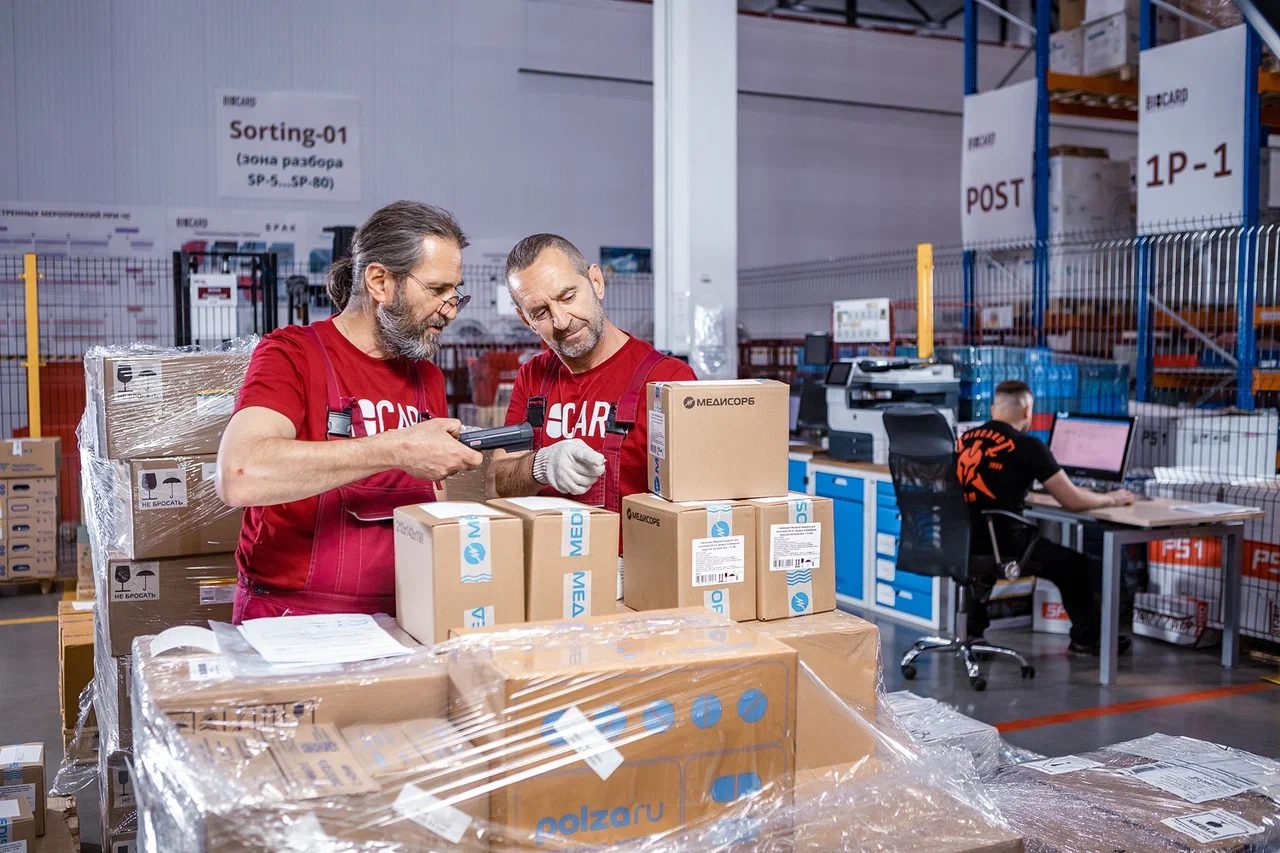
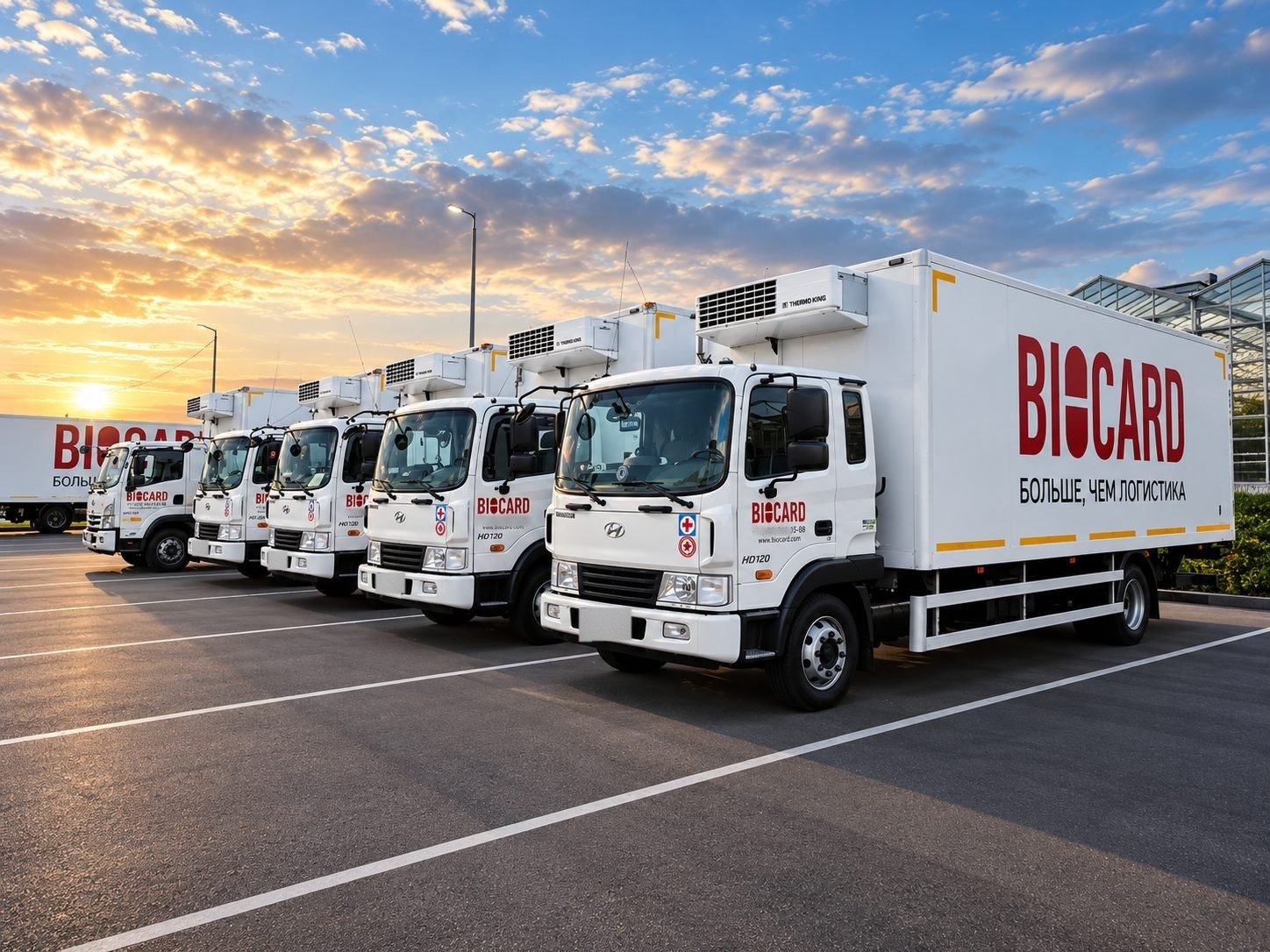
A Class A warehouse, SafePack thermal containers, scanner-assisted receiving and a branded fleet — the whole chain in one pair of hands.
Successful use of Safepack thermal containers… the best solution today in terms of transport reliability and optimisation of warehouse processes.
Lancet JSC, D. B. Kechko, Logistics Director · 16 April 2019
Among our clients:
Novo Nordisk, Astellas, Gedeon Richter, Lundbeck, Pharm-Sintez, Lancet, KRKA, Teva, Stada, Abbott, Sanofi
Phytosanitary control concerns regulated plant products and aims to prevent the spread of plant pests and diseases. Requirements depend on the product, origin and destination. In Russia, Rosselkhoznadzor is the responsible authority. Our team checks whether a certificate, inspection or other documents are needed for the actual consignment.
Certain regulated plant products and related materials require phytosanitary documents. This may concern medicinal plants, seeds, plant-origin raw materials or packaging; requirements cannot be determined from the word “biomaterial” alone. Send the exact product description, origin and destination so the team can assess the consignment.
The scope is agreed for the consignment: we check requirements and coordinate the documents and inspection process with the relevant parties. Certificates are issued by the competent authority, and the sender may need to provide product and origin documents. International customs support is coordinated by our own customs team.
Yes. We have had our own customs broker since 2013 and well-established international routes, including China → Russia, and we also work with the UAE and the Gulf countries. We prepare the phytosanitary and customs documents and work to keep delays at the border to a minimum.
If the cargo is temperature-sensitive, we ship it in our own SafePack thermal container at the required mode — from deep freezing and dry ice at −70 °C up to +15…+25 °C. The SmartSensor temperature logger records temperature, humidity, shocks and light along the whole route; the data is read through a network of receivers or with a phone app, and the temperature report is kept in the request card in your personal account (Files tab) once it is attached to the order.
Send us a description of the cargo and the route — we will work out which phytosanitary documents are needed, choose the shipping conditions and calculate the cost. We take care of the paperwork.
Send the origin and destination, cargo description, required temperature, piece count, actual weight and outer dimensions. You can ask a question or get an estimate before formal onboarding. The domestic delivery calculator uses the published Russian tariff; international routes, storage and special handling are quoted for the actual task.
Under the public transport offer, acceptance is signed through electronic document exchange before the first transport order. A registration link is then sent to the email in the acceptance, and orders are placed in the client account. If you have no electronic signature or need different contract terms, the manager agrees the contract route. Storage is arranged separately. How to start working with BIOCARD →
Equipment is selected for the cargo, route and conditions. The stated holding time of up to 96 hours applies to selected tested SafePack configurations; it is not a guarantee for every model, load or dry-ice shipment. The manager can provide the test report for the relevant model and range by email. Temperature reports in the client account are available once attached to the order.
Temperature-controlled delivery of veterinary vaccines, medicines, biological products and diagnostic kits.
Customs declarations and document checks by BIOCARD’s own customs team, with an indicative clearance fee.
Import and export transport, documents and customs coordination for each cargo and agreed international route.