

International pharmaceutical logistics
Import and export transport, documents and customs coordination for each cargo and agreed international route.

Delivering medicines and medical equipment by sea in reefer containers with the required temperature mode.
For large shipments with no tight deadline, sea freight is more economical than air — the same budget can move several times more cargo. We ship medicines, active ingredients and medical equipment in refrigerated (reefer) containers at the required temperature, and our SmartSensor temperature logger records the whole route — temperature, humidity, shocks and light. The temperature report is kept in the request card in your personal account (Files tab) once it is attached to the order.
We arrange sea transportation on a turnkey basis: international shipping lines (including from China to Russia), our own customs broker since 2013 and receiving at our Class A warehouse in Vyrubovo, Moscow Region. One contract, one contact, one invoice — from the port of loading to your door.
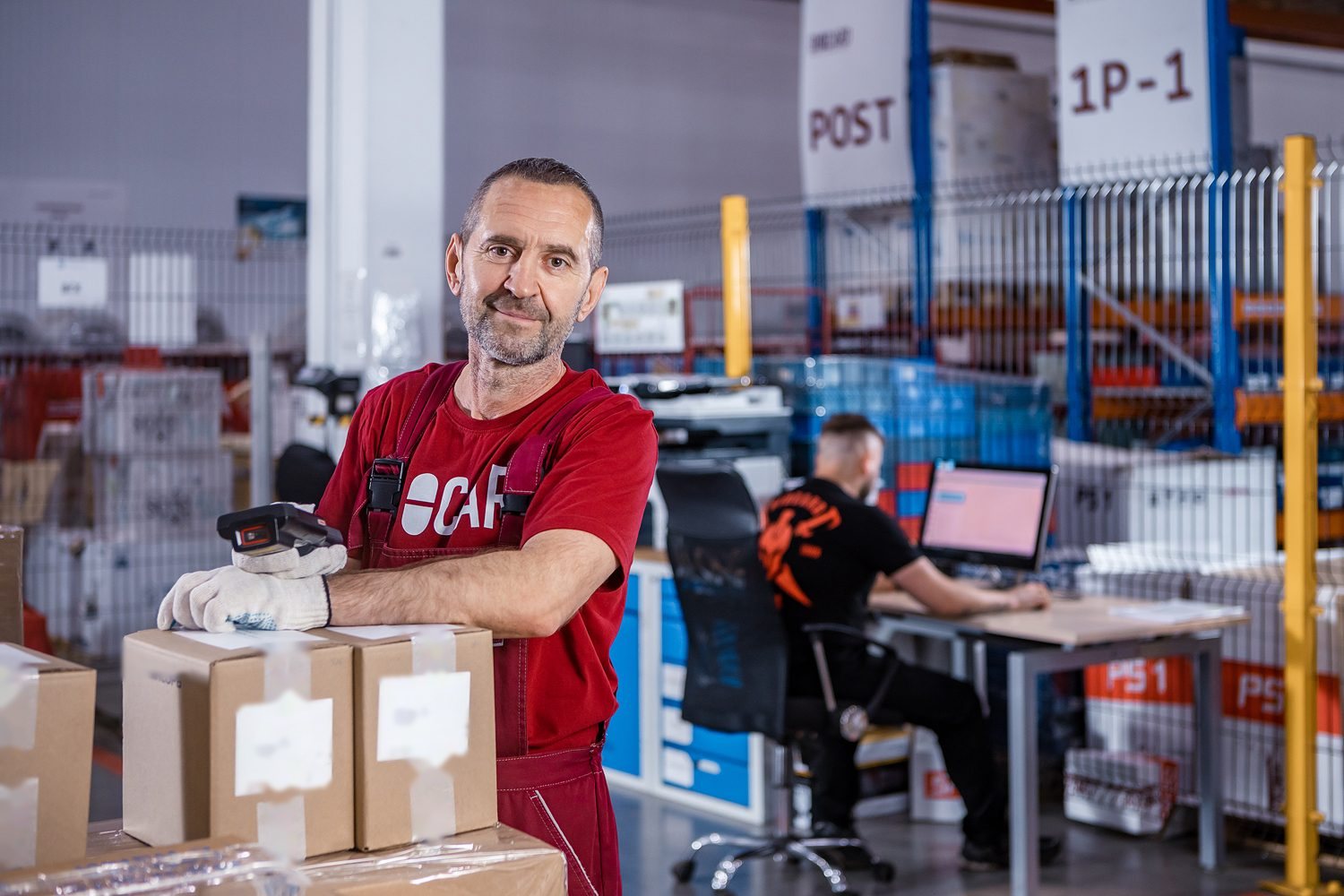
Sea freight is for volume — when price per unit matters more than speed. Here is what we ship and when sea transportation of medical cargo wins out.
Finished medicines and active pharmaceutical ingredients (APIs) in large volumes — by container and by pallet. It pays off when the shipment is too large for air freight.
Heavy and bulky medical equipment for which air freight would be unreasonably expensive and the schedule allows sea transit.
Medicines that need cold in transit: a refrigerated container holds +2…+8 °C, +15…+25 °C or a frozen mode, and SmartSensor records the temperature along the route.
Replenishing warehouse stock and regular purchases with deadlines known in advance. Sea freight means predictable logistics at a low price for the volume.
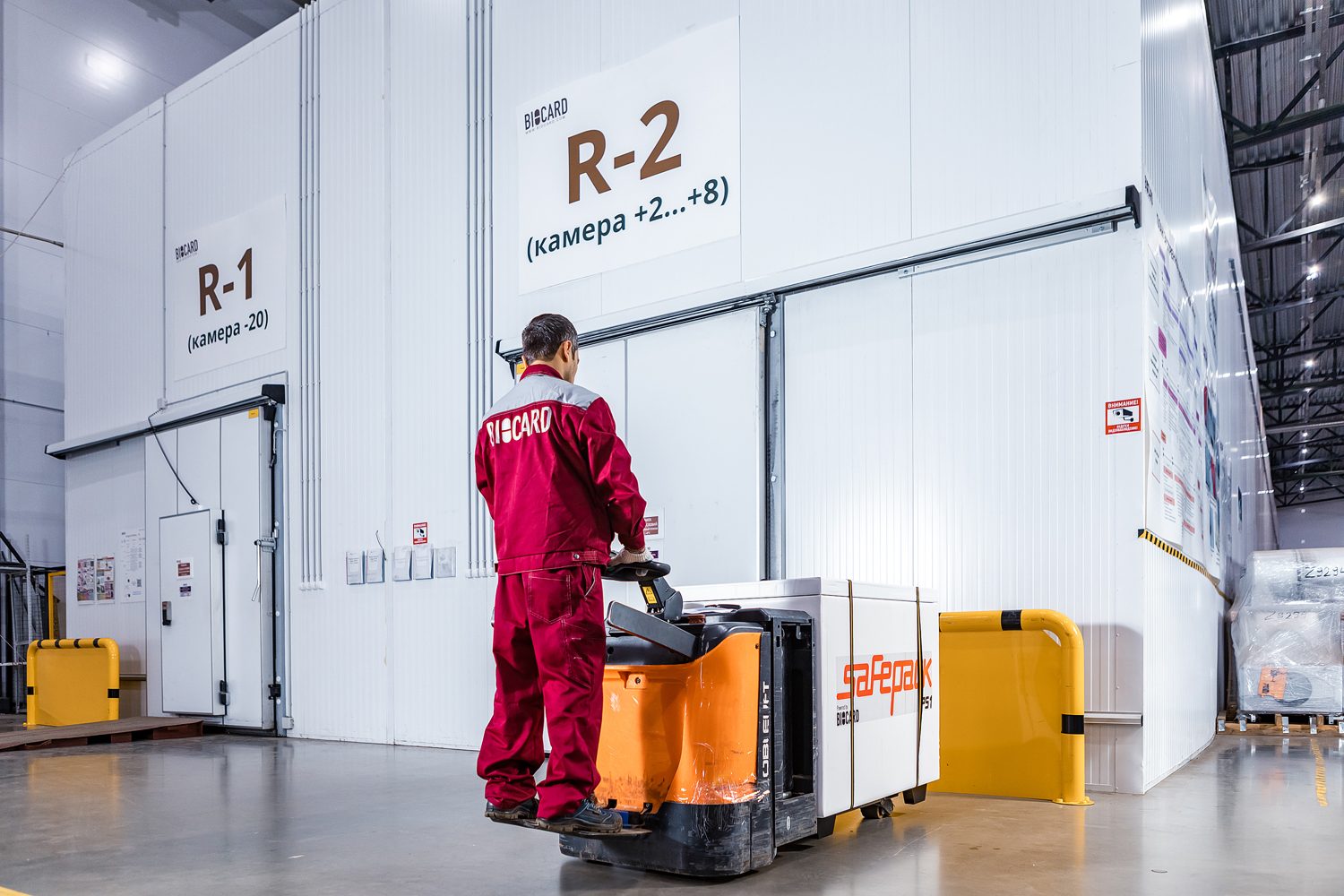
The classic refrigerated mode for most vaccines and biological medicines.
Room-temperature mode for medicines that must not get too cold.
Freezing mode for plasma and frozen medicines in a refrigerated container.
Deep freezing on dry ice for particularly sensitive cargo (on request).
The mode is fixed in the contract. A refrigerated container holds the set temperature for the whole sea voyage, and our SmartSensor logger records temperature, humidity, shocks and light — the light reading shows whether the container was opened. The logger runs for several years without recharging, and its data is read by receivers in vehicles and at warehouses, by phone or through the app. The temperature report is kept in the request card in your personal account (Files tab) once attached to the order.
We review the cargo, volume, destination and temperature requirements, choose a reefer container and the mode, and give you a quote. For temperature-sensitive cargo we include a SmartSensor logger.
We arrange collection from the sender (including pick-up from its warehouse in China), packing, loading into the container and the documents for the shipping line.
The cargo travels on an international shipping line in the set mode. The logger records the whole route — temperature, humidity, shocks and light — and its data is read by receivers in vehicles and at warehouses.
Our customs broker (working since 2013) clears the cargo, which is then received at the Class A warehouse in Vyrubovo and delivered to your door. The temperature report is kept in the request card in your personal account (Files tab) once attached to the order.
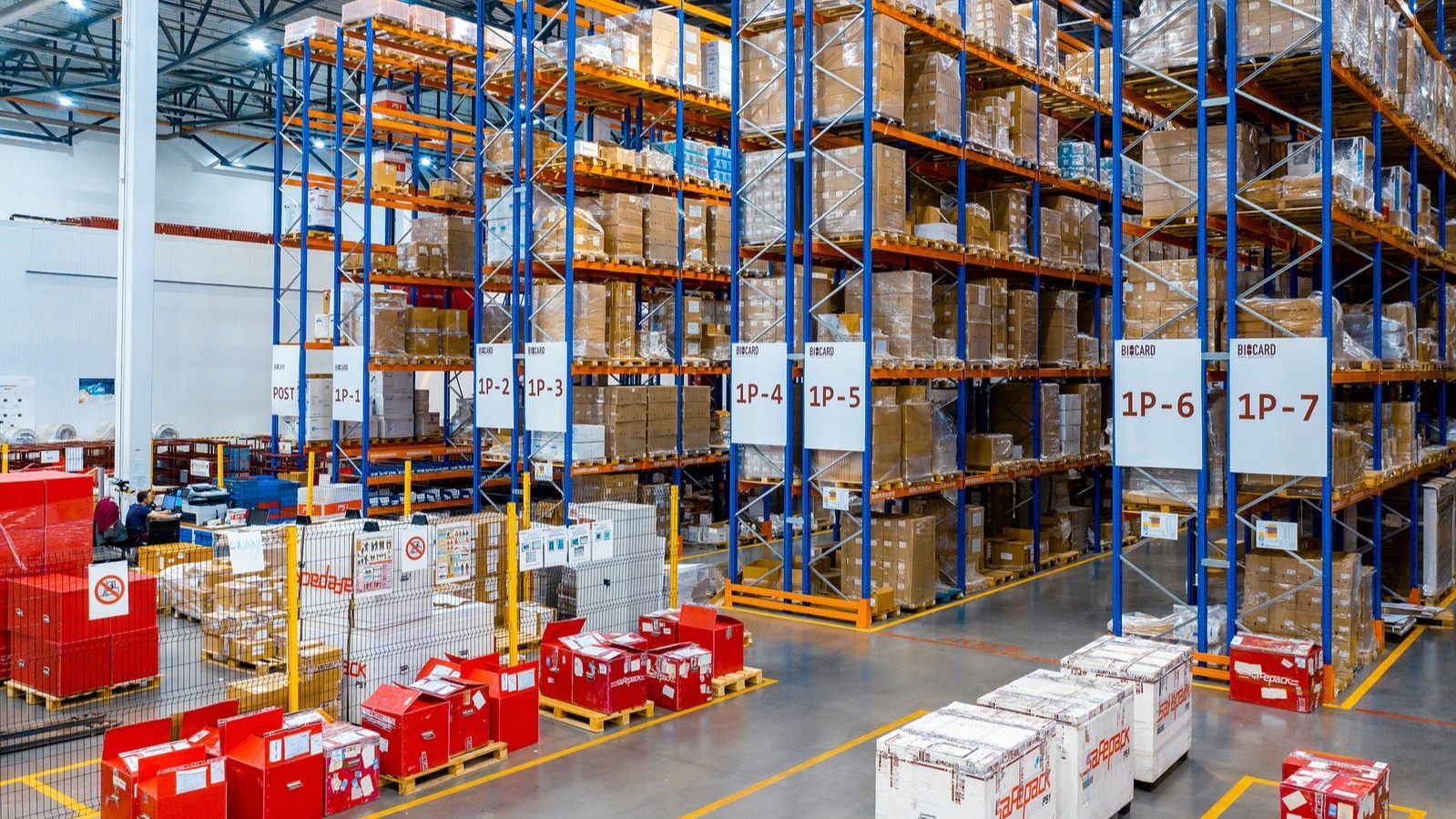
SafePack thermal containers, SmartSensor loggers, the platform and personal account, a 30,000 m² Class A warehouse, our own fleet and an in-house IT team. On a turnkey basis we take on as much of the logistics chain as possible with our own resources: we do as much as we can ourselves rather than outsourcing it.
In-house customs clearance. We work with China and the Gulf countries and know pharmaceutical paperwork inside out, which helps avoid hold-ups at the border.
SmartSensor records temperature, humidity, shocks and light. The data is read by receivers in vehicles and at warehouses, and the light reading shows whether the container was opened.
Pharmaceutical licence for storing and transporting medicines, GDP and ISO. Overall experience since 1989, clinical trials since 2007, our own customs broker since 2013.
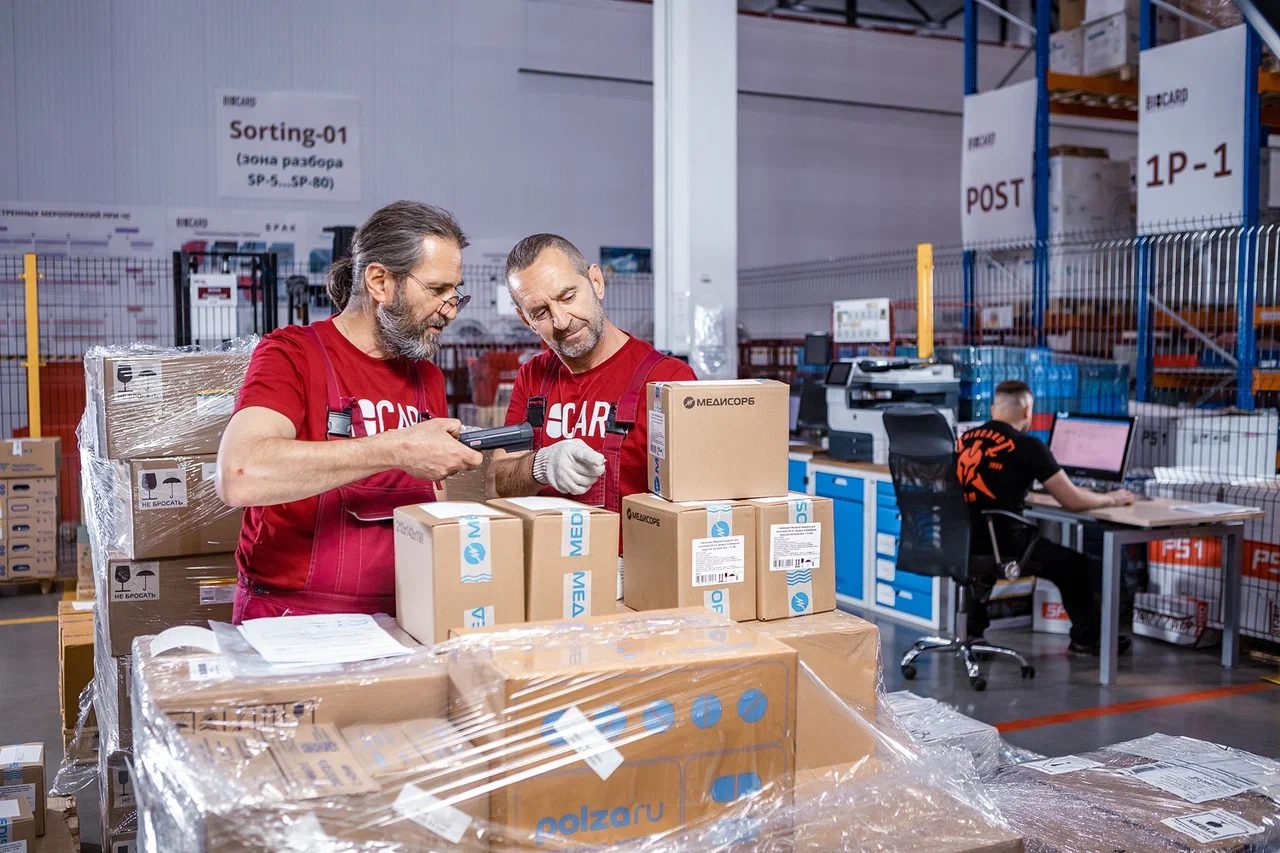
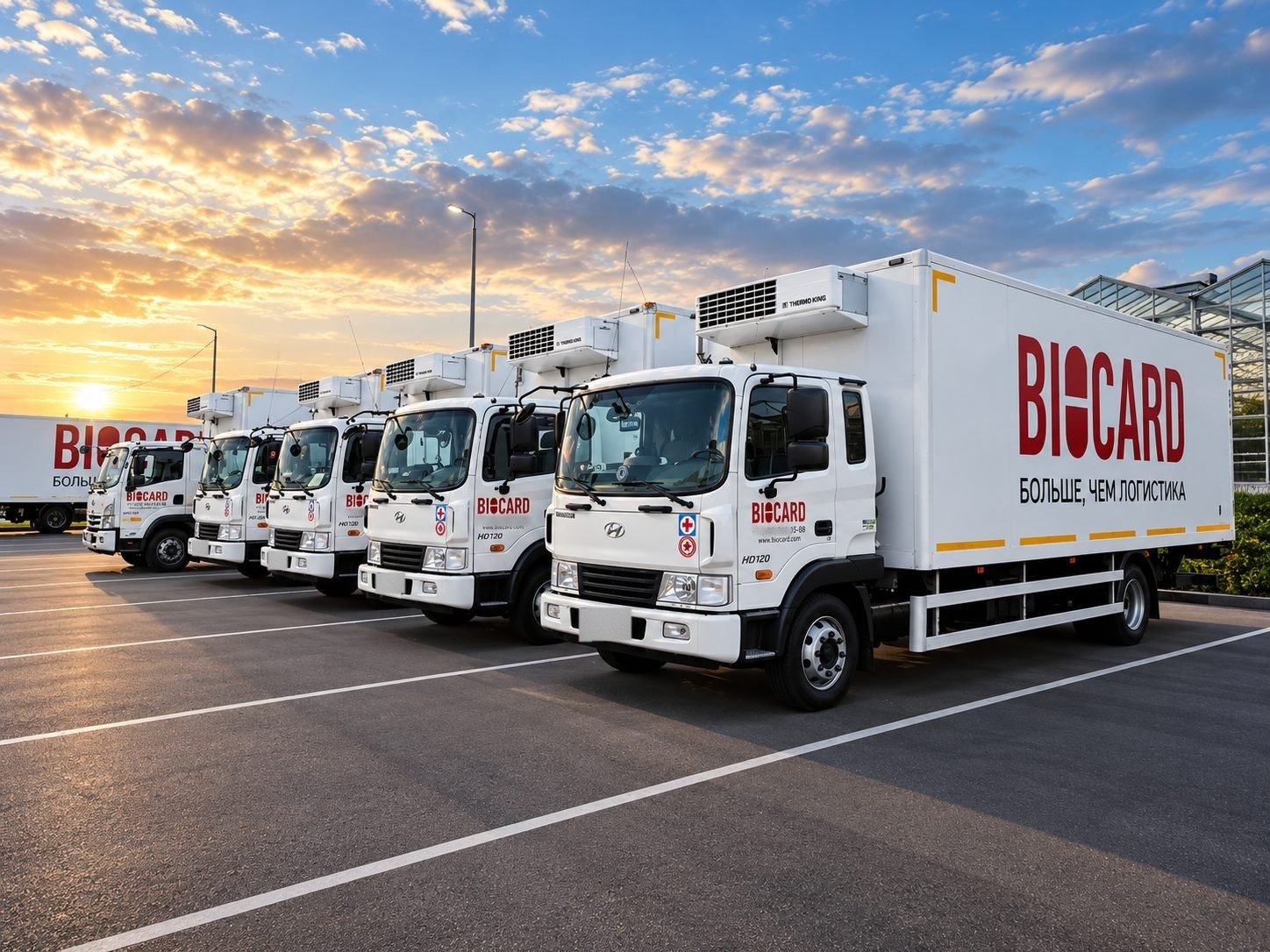
A Class A warehouse, SafePack thermal containers, scanner-assisted receiving and a branded fleet — the whole chain in one pair of hands.
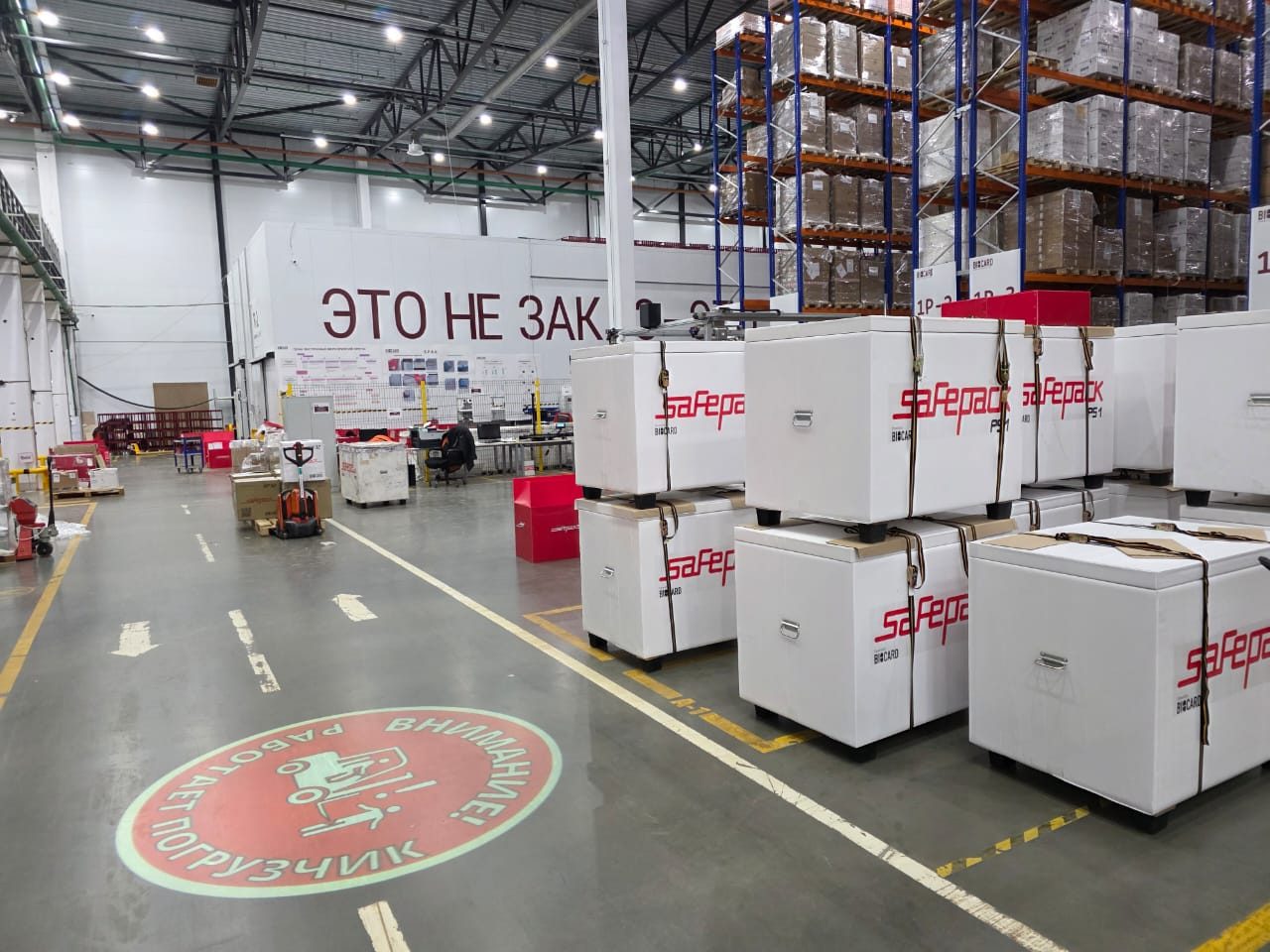
Successful use of Safepack thermal containers… the best solution today in terms of transport reliability and optimisation of warehouse processes.
Lancet JSC, D. B. Kechko, Logistics Director · 16 April 2019
Among our clients:
Novo Nordisk, Astellas, Gedeon Richter, Lundbeck, Pharm-Sintez, Lancet, KRKA, Teva, Stada, Abbott, Sanofi
It takes longer than by air — transit time depends on the destination and the shipping line. We offer sea freight when deadlines are not critical and the price for the volume matters: for large scheduled shipments it can be several times more economical than air. The exact transit time for your route is given in the quote.
The cargo travels in a refrigerated container set to the required mode: +2…+8 °C, +15…+25 °C, −20 °C or deep freezing on dry ice (−70 °C, on request). We write the mode into the contract, and our SmartSensor logger records the whole route: temperature, humidity, shocks and light. The temperature report is kept in the request card in your personal account (Files tab) once it is attached to the order.
Yes. We use international shipping lines — primarily from China to Russia, but also for the UAE and the Gulf countries. We organise the whole chain, from the port of loading (including pick-up from the sender's warehouse in China) to the consignee's door in Russia, with customs clearance by our own broker.
Sea freight pays off for large shipments — from a few pallets up to full containers — and for heavy, bulky medical equipment. If the shipment is small or the deadline is tight, we will say so and offer air freight or road delivery instead — we will price both options.
Our own customs broker, in place since 2013, who knows the paperwork that pharmaceutical cargo requires. Customs clearance is part of the turnkey shipment: there is no need to look for a separate broker — everything goes through one contract and one contact.
Tell us about the shipment, destination and temperature mode — we will choose a reefer container, calculate the route and compare sea with air, and say frankly which is more cost-effective.
Send the origin and destination, cargo description, required temperature, piece count, actual weight and outer dimensions. You can ask a question or get an estimate before formal onboarding. The domestic delivery calculator uses the published Russian tariff; international routes, storage and special handling are quoted for the actual task.
Under the public transport offer, acceptance is signed through electronic document exchange before the first transport order. A registration link is then sent to the email in the acceptance, and orders are placed in the client account. If you have no electronic signature or need different contract terms, the manager agrees the contract route. Storage is arranged separately. How to start working with BIOCARD →
Equipment is selected for the cargo, route and conditions. The stated holding time of up to 96 hours applies to selected tested SafePack configurations; it is not a guarantee for every model, load or dry-ice shipment. The manager can provide the test report for the relevant model and range by email. Temperature reports in the client account are available once attached to the order.
Import and export transport, documents and customs coordination for each cargo and agreed international route.
Combine air, road, sea or rail into an agreed route, with particular attention to transfers and cold-chain continuity.
Customs declarations and document checks by BIOCARD’s own customs team, with an indicative clearance fee.