

Sea freight
Sea transport for suitable pharmaceutical and medical cargo, with port, customs and onward-delivery planning.

Combined transport of medicines: air, road, sea and rail on one route.
Multimodal (combined) transportation of pharmaceuticals and other medical cargo means that a shipment travels to its destination by several modes of transport — air, road, sea and rail — but under a single route and single responsibility. One mode rarely covers a complex international journey on its own: an aircraft is needed for speed, a truck for the run to the warehouse, a sea container for volume, and over a long overland stretch rail is more economical. We link these legs into one continuous route — with one contract, one point of contact and one invoice.
What matters most for medicines is that the temperature mode must not be broken at the transfer points, so that the multimodal cold chain stays intact. The cargo stays in our SafePack thermal containers on every leg: during transfers from aircraft to vehicle or from vehicle to train the temperature mode is held with no external power, and the SmartSensor logger records temperature, humidity, shocks and light all the way (the light reading shows whether the package was opened). The logger is passive: its data is read through a network of receivers (hubs) in vehicles and warehouses, or by phone or app, and can be compiled into a single report for the whole route, from dispatch to the recipient's door. We aim to run the route with our own resources as far as possible, customs included; sometimes, on a proven final delivery leg, we bring in reliable contractors — under our control and with our temperature mode.
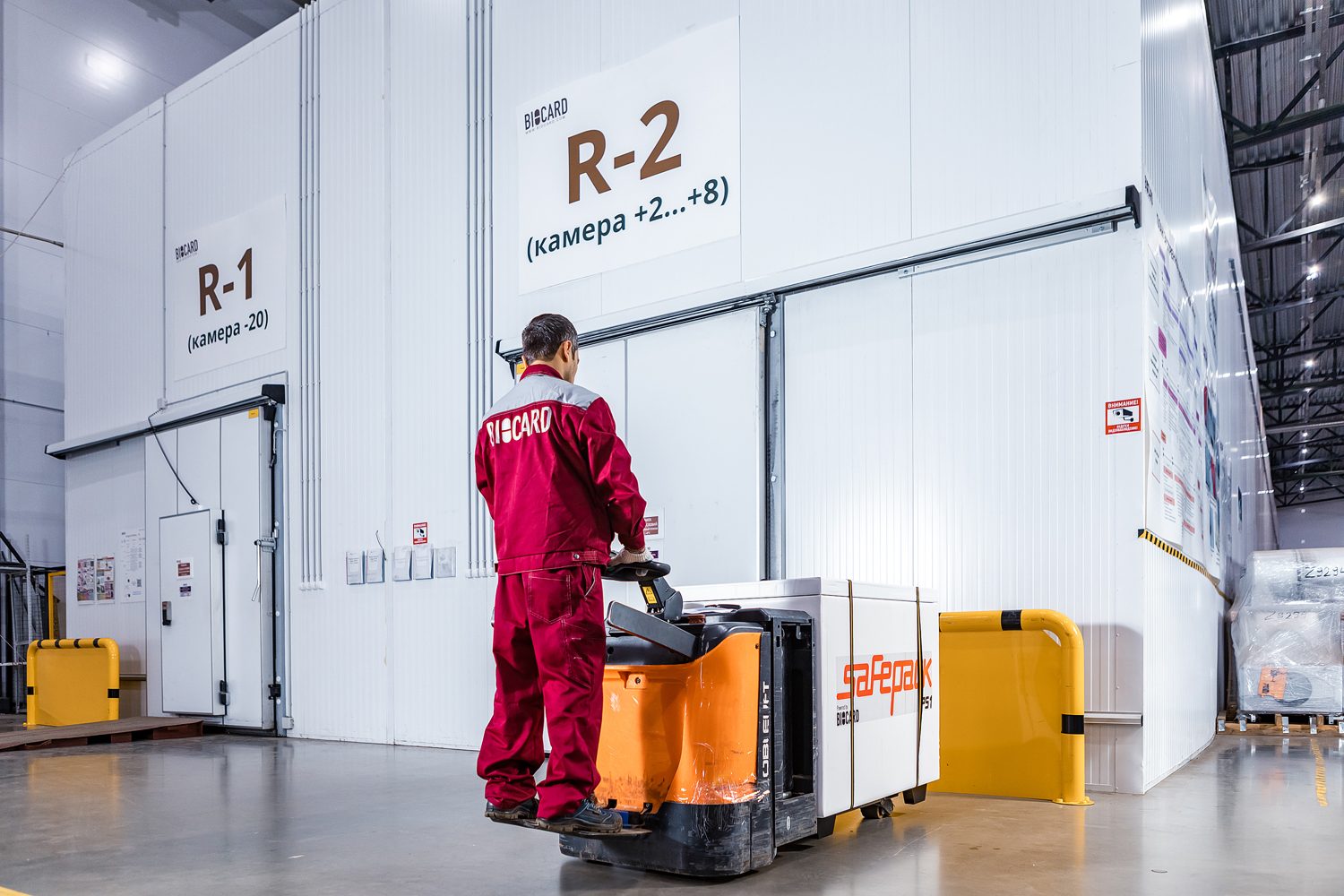
A combined route is put together when one mode of transport cannot cover the whole task — because of geography, deadlines or budget. We choose the combination of legs for the specific cargo and temperature mode.
Complex international routes (for example, China → Russia), remote regions with no direct air service, and large volumes where air is too expensive and road alone is too slow. For difficult routes we use transit via the UAE.
Fast delivery of temperature-sensitive medicines and biomaterials over long distances. We work as an airline agent, with our own customs broker since 2013.
Collection from the sender's factory or warehouse and delivery to the recipient's door. Our own temperature-controlled fleet links the airport, port or station with the final destination.
Container shipments where cost per volume matters and deadlines are not critical. SafePack thermal containers hold the temperature mode with no external power for up to 96 hours (selected validated PCM configurations, specified test conditions).
A long overland leg is cheaper than air and faster than sea. It suits planned replenishment of stocks of temperature-controlled medicines.
The temperature plan covers every transport leg and transfer. Suitable containers and loggers are selected for the route; handling, any repacking and coolant replenishment are agreed in advance. Temperature data from the legs can be combined into the agreed report.
One team runs the route from the request to hand-over. You do not have to coordinate carriers, brokers and warehouses — we do that.
We go through the task: where from, where to, what cargo, which temperature mode, what deadlines and budget. We draw up a scheme of legs (air, road, sea, rail) and transfer points. One contract for the whole route.
We select a SafePack thermal container for the mode (+2…+8 °C, +15…+25 °C, −20 °C or dry ice at −70 °C) and fit a SmartSensor logger. The selected configuration has a validated holding time; the route plan covers longer legs and transfer delays with the appropriate refrigeration and coolant arrangements.
We move the cargo leg by leg: aircraft, truck, sea container, train — in the right combination. At every transfer we check packaging integrity and the temperature mode, and the logger records data all the way.
We handle clearance ourselves — our own customs broker since 2013. Import, export and transit via the UAE for difficult routes. We work to keep cargo from waiting at the border over paperwork.
We deliver to the recipient's door in our own transport. The route record covers temperature, humidity, shocks and opening (by light); the PDF temperature report is kept in the request card in your personal account (Files tab) once it is attached to the order.
The chosen temperature range is carried into the plan for every transport leg and transfer; equipment and handling are agreed for the route.
Vaccines, insulins, most biologics and reagents.
Tablet and other room-temperature dosage forms.
Frozen medicines and plasma.
Deep freezing on dry ice for highly sensitive cargo.
Highly specialised modes are available on request: +8…+15 °C, and a Dewar vessel at −196 °C (liquid nitrogen) for biomaterials. SafePack holds the temperature mode with no external power for up to 96 hours (selected validated PCM configurations, specified test conditions).
One contract, one contact, one invoice for the whole combined route. You do not have to piece together an air carrier, a broker and a fleet — we do it, with our own resources as far as possible. On a turnkey basis we coordinate the transport legs within one service.
One company answers for the whole route. The temperature mode is written into the contract, so responsibility is not split between carriers at the points where control is most often lost.
A transfer from aircraft to vehicle or from vehicle to train is the most vulnerable moment. We check every transfer, and SafePack holds the temperature mode with no external power during it too.
We make SafePack thermal containers and develop SmartSensor loggers. The logger records temperature, humidity, shocks and light (which can indicate an opening) along the route; the container provides the agreed thermal protection.
We have cleared customs ourselves since 2013. Import, export and transit via the UAE for complex routes — we work to keep cargo from being held up at the border.
Data from all legs can be brought together in one report — a complete picture from dispatch to hand-over, not separate extracts from different carriers. The PDF temperature report is kept in the request card in your personal account (Files tab) once it is attached to the order.
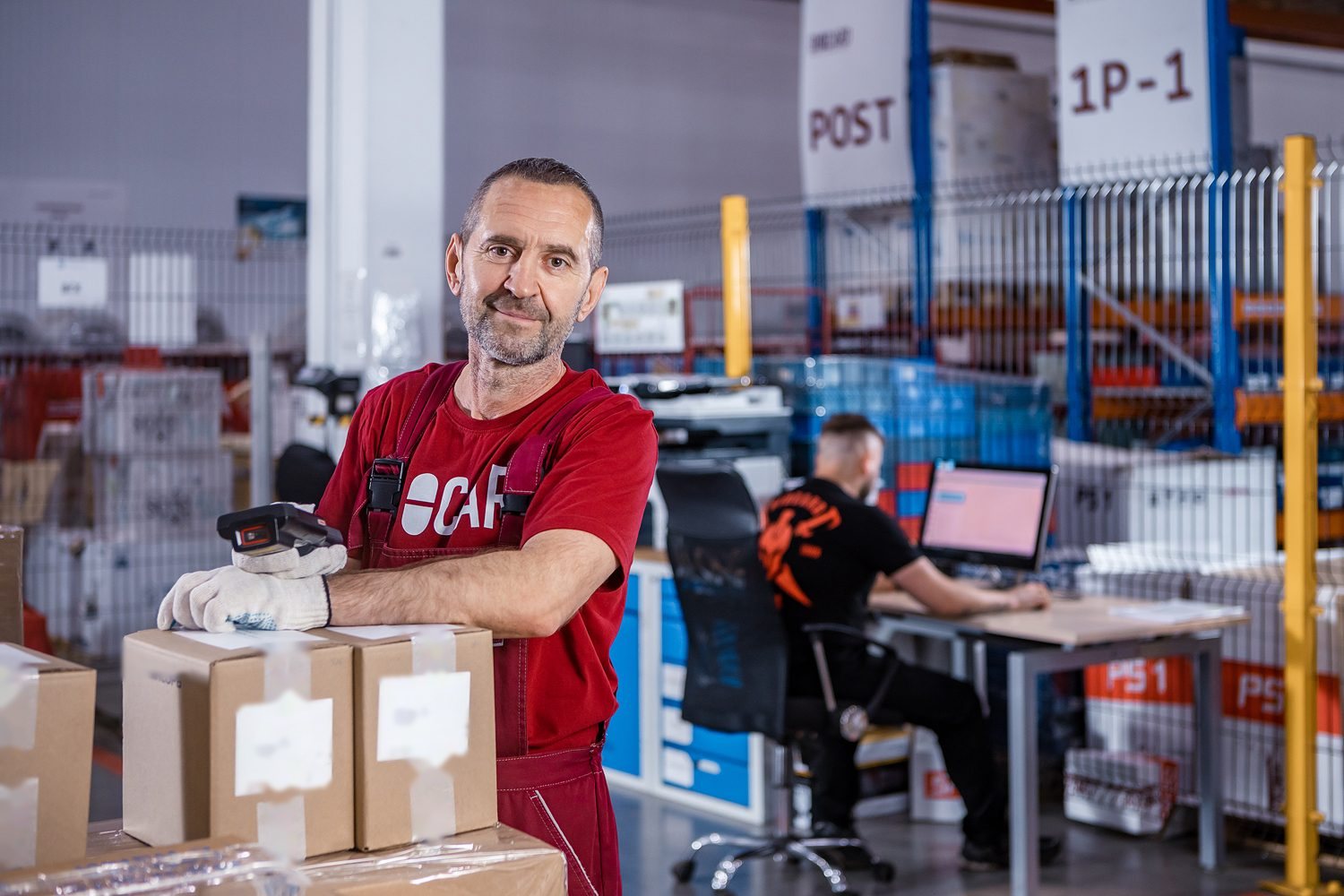
A Class A warehouse, SafePack thermal containers, scanner-assisted receiving and a branded fleet — the whole chain in one pair of hands.
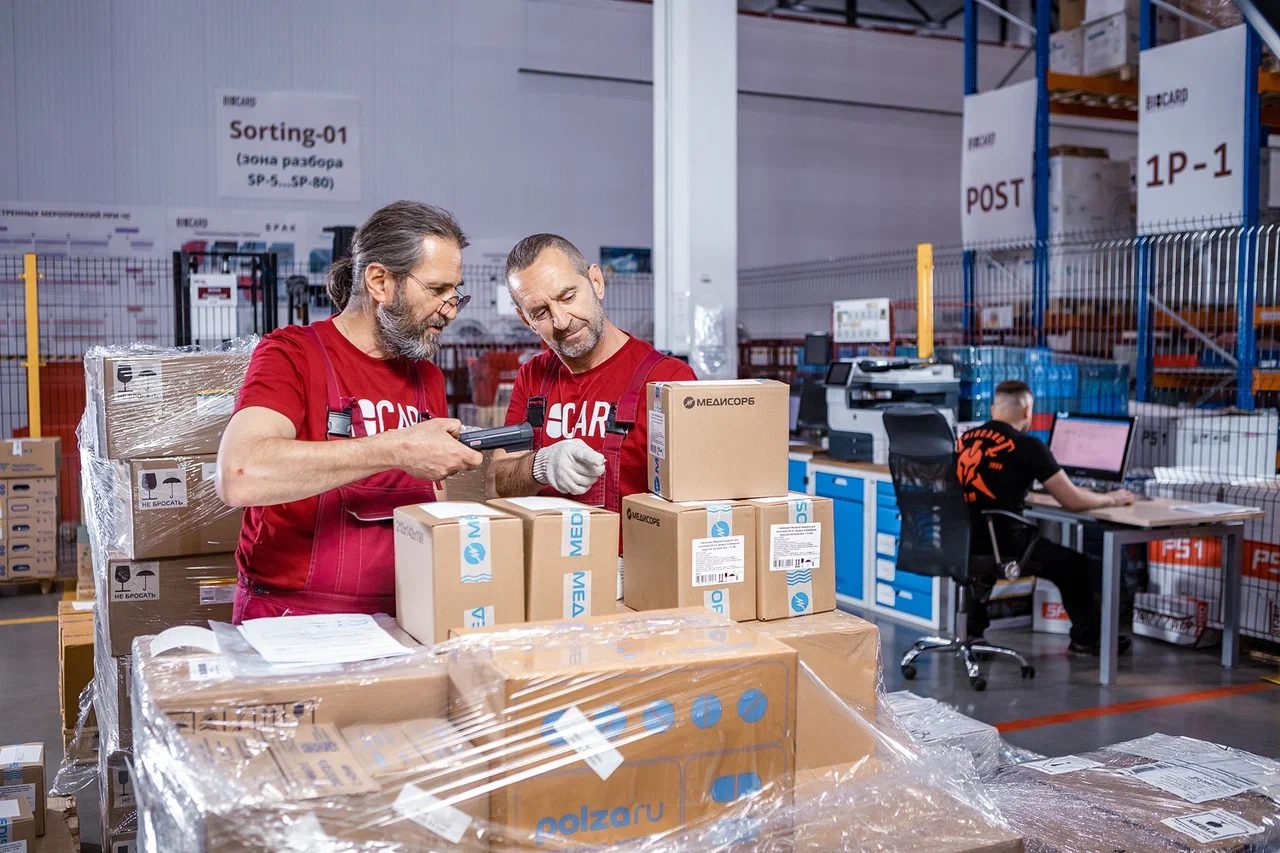
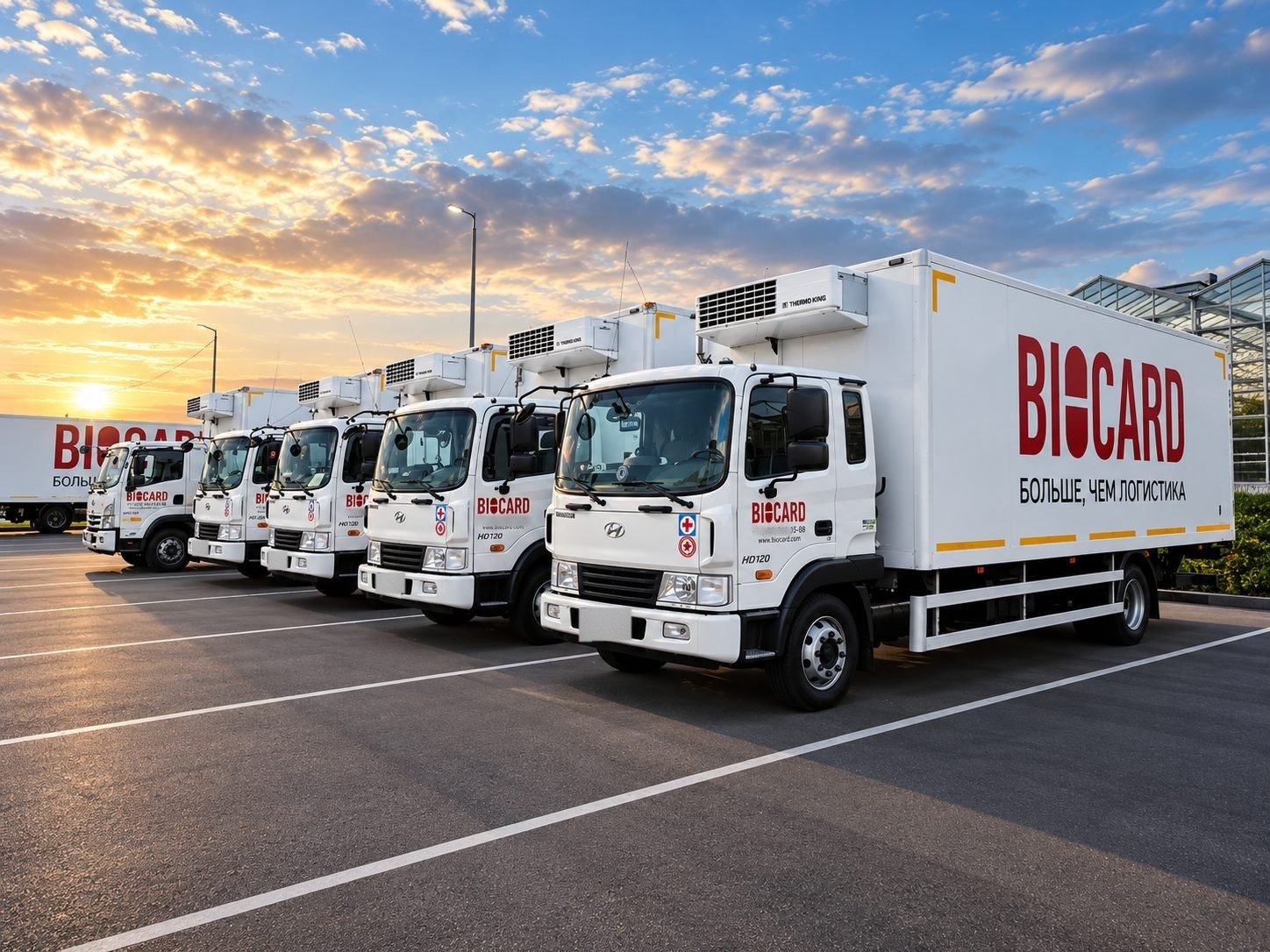
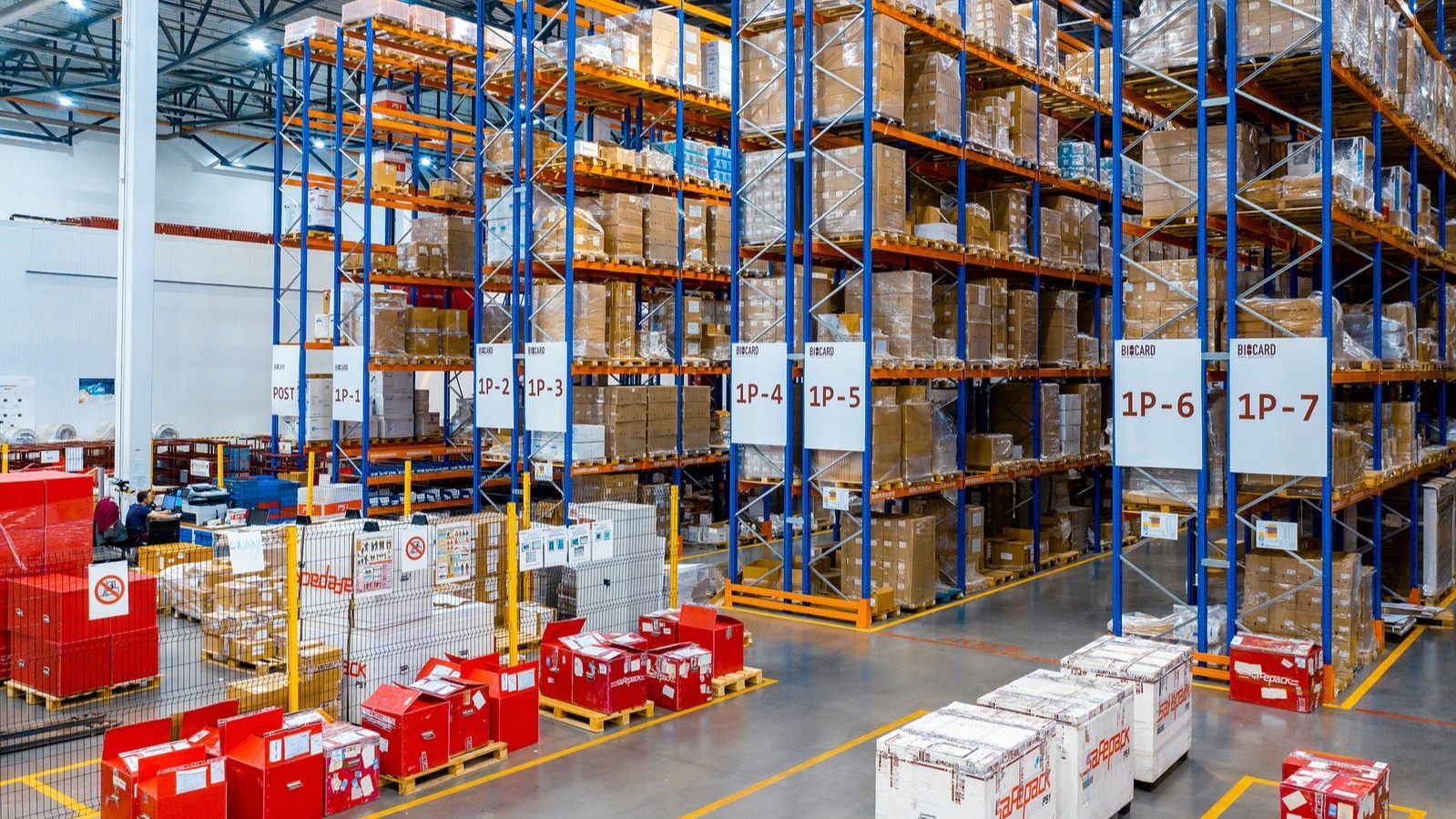
Successful use of Safepack thermal containers… the best solution today in terms of transport reliability and optimisation of warehouse processes.
Lancet JSC, D. B. Kechko, Logistics Director · 16 April 2019
Among our clients:
Novo Nordisk, Astellas, Gedeon Richter, Lundbeck, Pharm-Sintez, Lancet, KRKA, Teva, Stada, Abbott, Sanofi
Multimodal (combined) transportation means delivering cargo to its destination by several modes of transport under a single route and single responsibility — for example air, road, sea and rail. The legs are joined into one continuous journey: one contract, one provider, one invoice. For medicines, the key point is to keep the temperature mode, and with it the cold chain, unbroken at the transfers between modes of transport.
Transit time depends on the combination of legs and the destination: an air leg speeds up the long-haul section, while sea and rail save budget on long stretches. We design the route around your balance of speed and cost. We calculate each transport leg and transfer window for the actual route; international estimates also take customs procedures into account.
We agree the temperature plan for every leg and transfer. A selected SafePack configuration protects the cargo without external power for its validated holding time; long routes need an appropriate refrigeration and coolant plan. Any container change, repacking or dry-ice replenishment is agreed in advance. The SmartSensor logger records temperature, humidity, shocks and light. Readings are retrieved through receivers or a compatible phone.
Yes. Combined routes are, above all, about complex international logistics. We work on the China → Russia route and with the UAE and the Gulf countries, including transit via the UAE for difficult routes. We handle customs clearance ourselves — our own customs broker since 2013.
One company — BIOCARD. That is the point of single responsibility: it is not split between carriers at the transfer points, where control is usually lost. We aim to do everything ourselves; sometimes, on a proven final delivery leg, we involve reliable contractors, but under our control and with our temperature mode set out in the contract.
Tell us where the medicines must go from and to, and in which temperature mode — we will put together the right combination of air, road, sea and rail under one contract and unified temperature control.
Send the origin and destination, cargo description, required temperature, piece count, actual weight and outer dimensions. You can ask a question or get an estimate before formal onboarding. The domestic delivery calculator uses the published Russian tariff; international routes, storage and special handling are quoted for the actual task.
Under the public transport offer, acceptance is signed through electronic document exchange before the first transport order. A registration link is then sent to the email in the acceptance, and orders are placed in the client account. If you have no electronic signature or need different contract terms, the manager agrees the contract route. Storage is arranged separately. How to start working with BIOCARD →
Equipment is selected for the cargo, route and conditions. The stated holding time of up to 96 hours applies to selected tested SafePack configurations; it is not a guarantee for every model, load or dry-ice shipment. The manager can provide the test report for the relevant model and range by email. Temperature reports in the client account are available once attached to the order.
Sea transport for suitable pharmaceutical and medical cargo, with port, customs and onward-delivery planning.
Rail transport for suitable medical consignments, with loading, temperature requirements and road legs coordinated.
Urgent air transportation of medicines, vaccines and samples, with the route and temperature plan agreed before dispatch.