

Multimodal transport
Combine air, road, sea or rail into an agreed route, with particular attention to transfers and cold-chain continuity.

Rail transportation of medicines in refrigerated (reefer) wagons: +2…+8 °C and −20 °C modes, large consignments, temperature control.
When a consignment is large and the route is long, rail freight is often more cost-effective than a long-haul truck and faster than sea freight. We organise railway transportation of medicines in refrigerated (reefer) wagons and sections across Russia and the countries of the Eurasian Economic Union (EAEU), with temperature control from +2…+8 °C to −20 °C and a clear, stable price for the whole route.
This is turnkey transportation: wagon supply, loading at our Class A warehouse, the temperature mode on the way and SmartSensor temperature loggers in the boxes that record the whole route. One contract, one contact, one invoice — instead of a dozen contractors between you and the consignee.
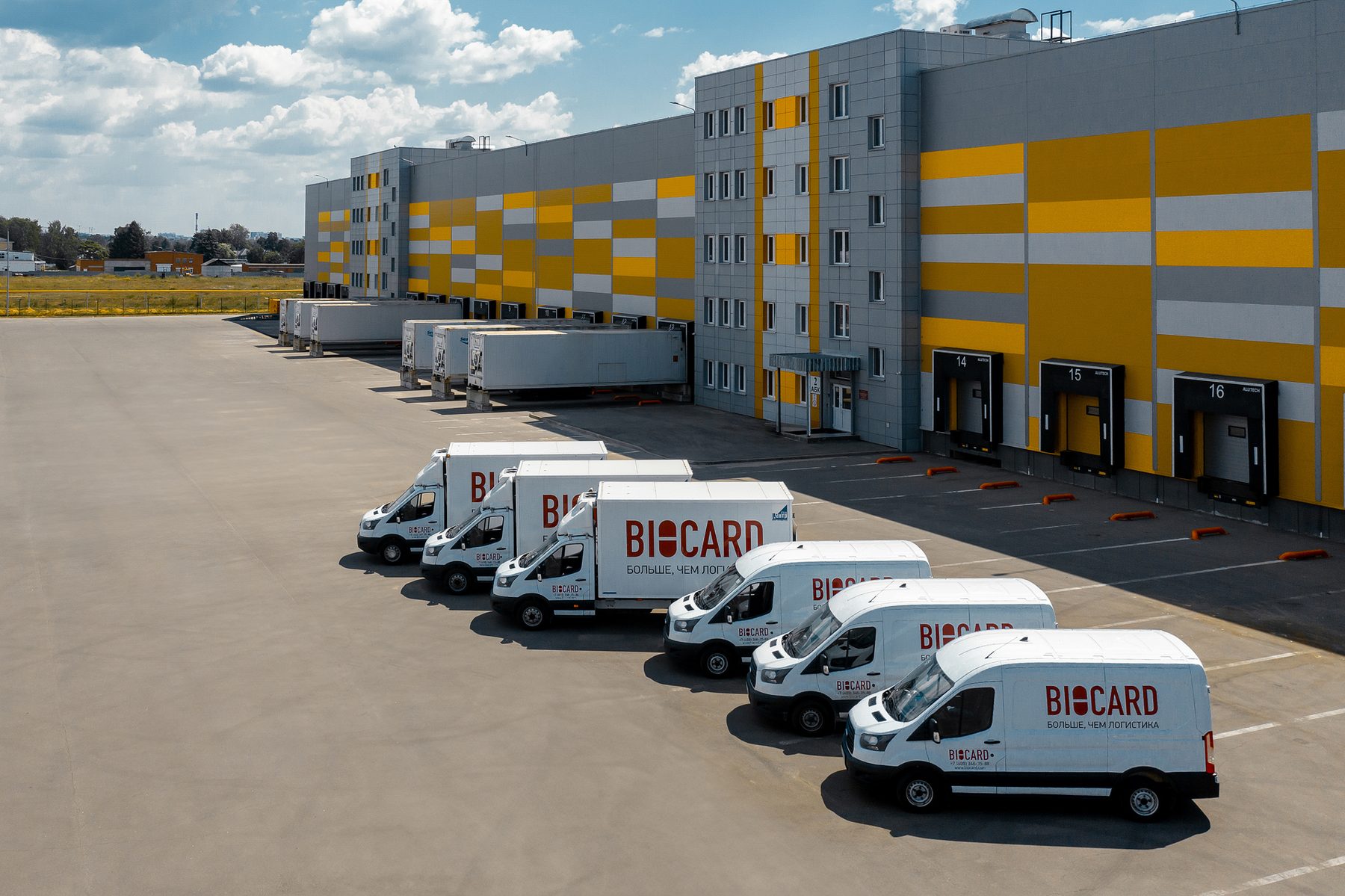
Rail suits large, scheduled shipments where a stable price and a predictable timetable matter.
Scheduled, high-volume shipments of medicines between warehouses, to distributors and to pharmacy and hospital chains. A whole wagon or section for your cargo.
A strict +2…+8 °C temperature mode along the whole route. The cargo travels in our SafePack thermal containers inside a refrigerated wagon, so the mode is protected twice over.
The −20 °C mode for deep-frozen medicines and biological products. A refrigerated section holds a steady temperature over long hauls.
Shipments across Russia and also to Kazakhstan, Belarus, Armenia and Kyrgyzstan. Where rail meets road, we cover the first and last mile to the door.
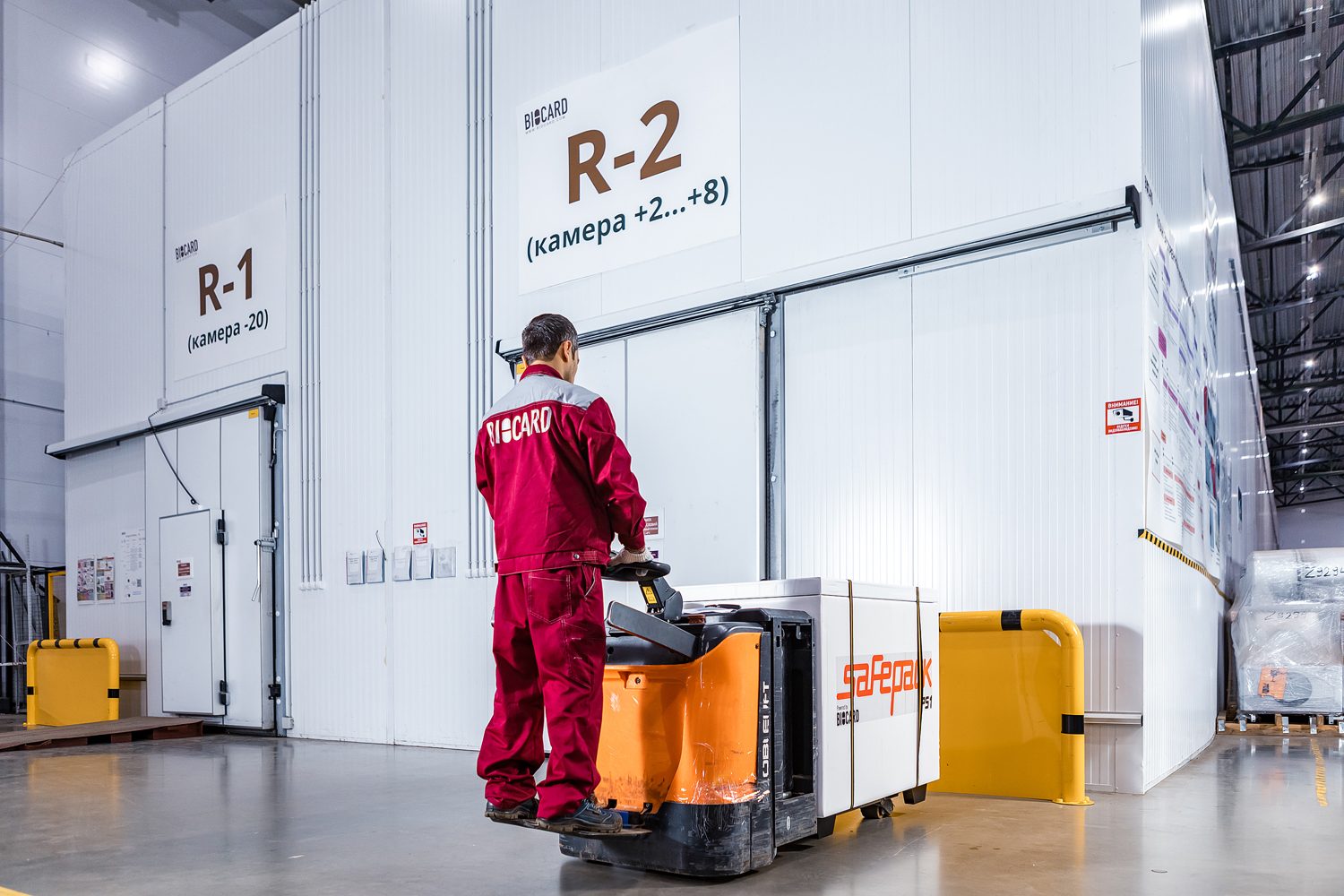
The cold chain: vaccines, insulins, biologics and most temperature-sensitive medicines.
Room-temperature mode for medicines that must not be chilled. Protection from summer heat and winter frost.
Deep freezing: frozen medicines, plasma and some types of biological products.
Ultra-low temperatures on dry ice for especially sensitive cargo — on request for a specific route.
We select the mode to suit your medicine and the length of the haul. SmartSensor loggers in the boxes record temperature, humidity, shocks and light (the light reading shows whether a box was opened). The data is read through a network of receivers in vehicles and at warehouses.
We calculate the volume, temperature mode and route and select a refrigerated wagon or section of the right capacity. We quote a stable price for the whole route and work to avoid surprises on the way.
We assemble and load the consignment at our 30,000 m² warehouse in the village of Vyrubovo, Odintsovo urban district, Moscow Region. We pack the medicines in SafePack thermal containers pre-conditioned to the required temperature mode and place the loggers.
The wagon holds the temperature, while SafePack backs up the mode with no external power. SmartSensor loggers in the boxes record the conditions all the way; the light reading shows whether a box was opened.
We bring the cargo to the consignee's door by road for the last mile. The logger data is collected through receivers; the temperature report for the route is kept in the request card in your personal account (Files tab) once it is attached to the order — a document ready for your audit.
Our own production of SafePack thermal containers, our own SmartSensor loggers, our own platform and a Class A warehouse. On a turnkey basis we do as much as possible ourselves — and we keep the temperature under control all the way.
A refrigerated wagon plus a thermal container inside. Even if the wagon's cooling fails, SafePack holds the temperature mode with no external power — for up to 96 hours in selected validated PCM configurations under their specified test conditions.
Wagon supply, warehouse, temperature mode, loggers, the first and last mile by road. One contract, one contact, one invoice instead of a dozen contractors.
The loggers record temperature, humidity, shocks and light for the whole route. The data can be read without opening the box and used in your audit.
Rail gives a predictable cost on large, scheduled shipments. We calculate in advance and fix the price, so you know your budget before the shipment starts.
Clinical trials since 2007, our own customs broker since 2013, experience in the industry since 1989. We ship for leading pharmaceutical companies.
A Class A warehouse, SafePack thermal containers, scanner-assisted receiving and a branded fleet — we work to keep the whole chain in one pair of hands.
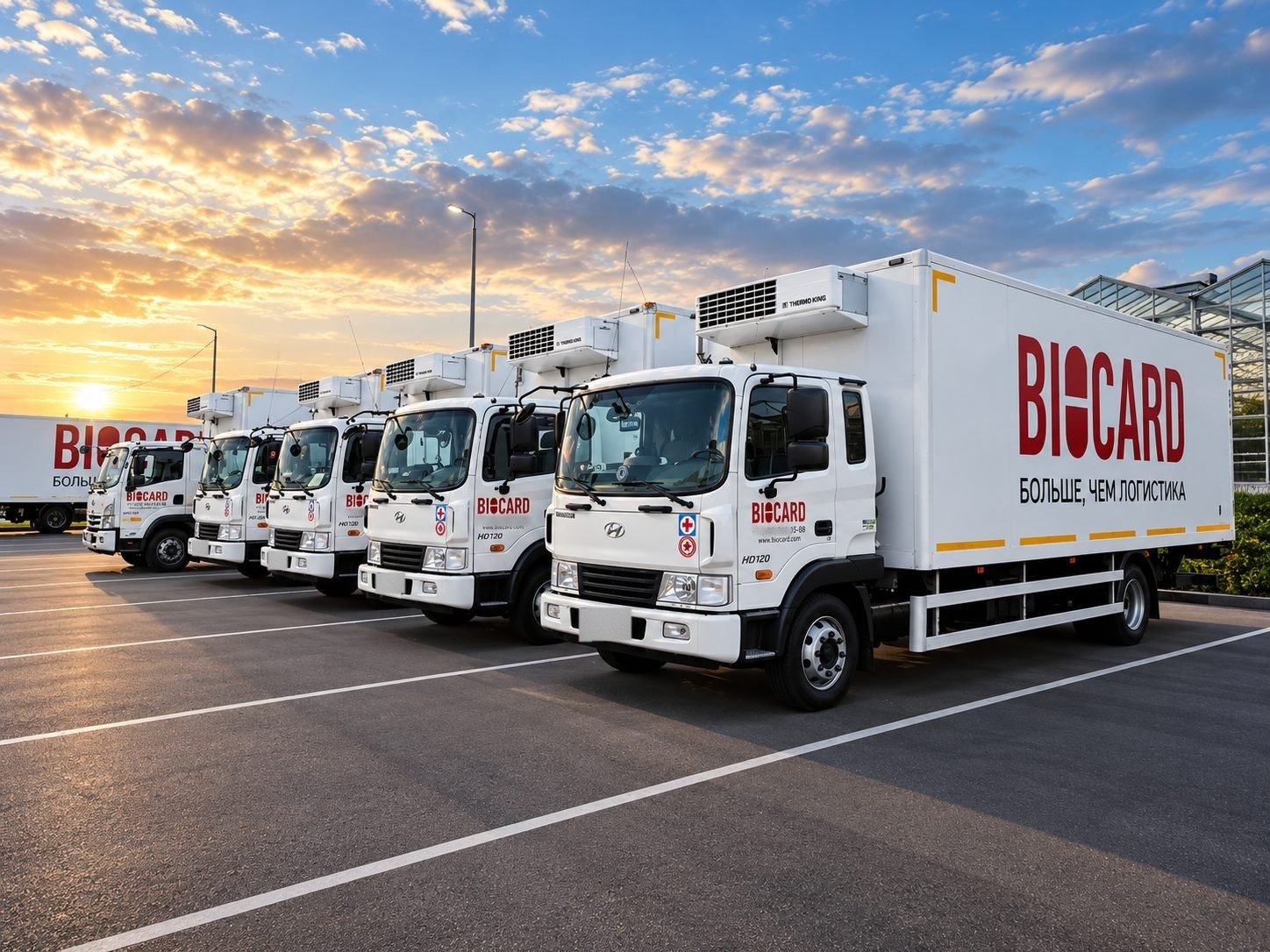
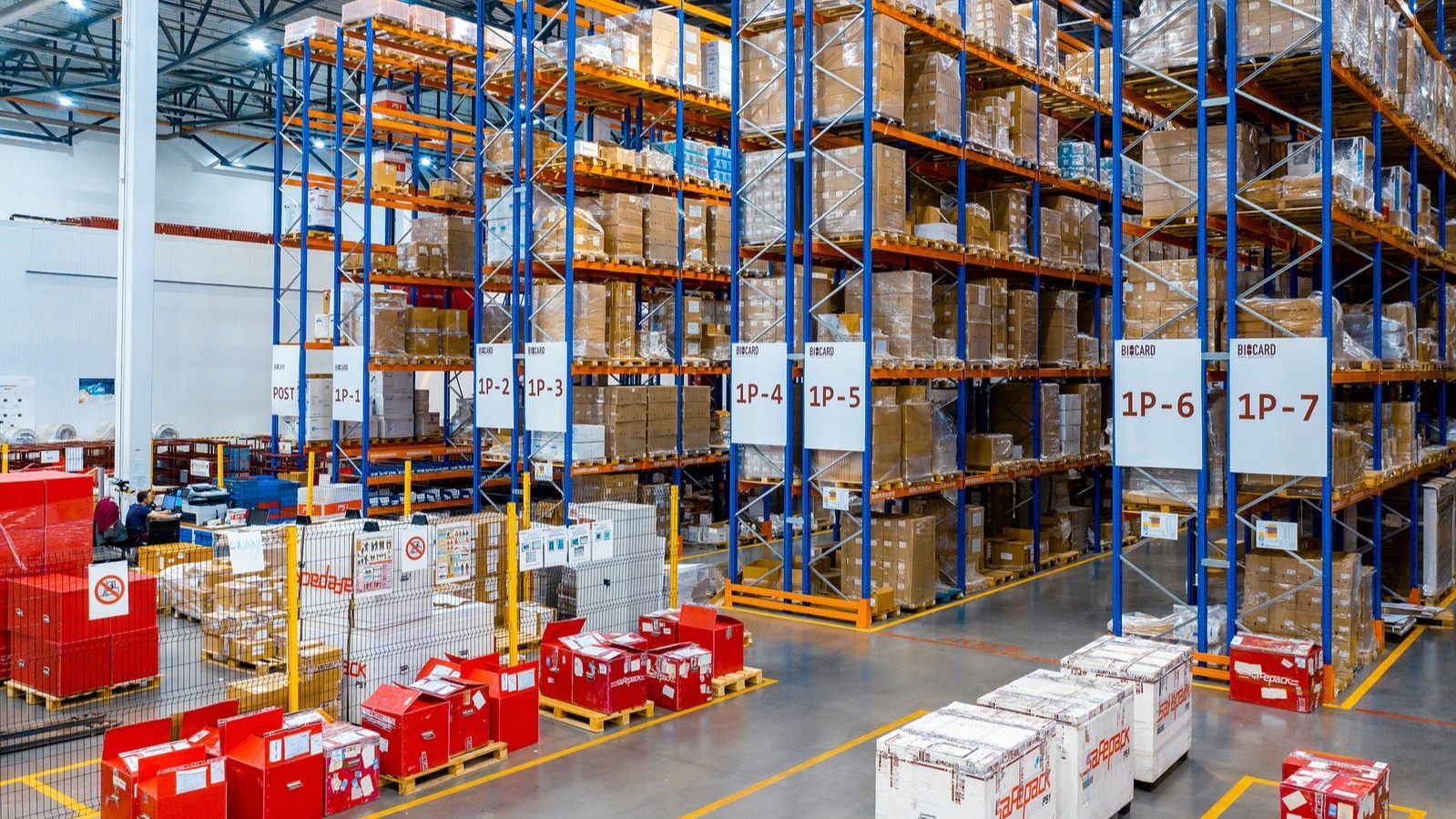
Successful use of Safepack thermal containers… the best solution today in terms of transport reliability and optimisation of warehouse processes.
Lancet JSC, D. B. Kechko, Logistics Director · 16 April 2019
Among our clients:
Novo Nordisk, Astellas, Gedeon Richter, Lundbeck, Pharm-Sintez, Lancet, KRKA, Teva, Stada, Abbott, Sanofi
The transit time depends on the route and the length of the haul — rail has the advantage on long routes and large consignments. We calculate the schedule in advance and put it in the contract, and we cover the first and last mile to the door by road to avoid losing time at the hand-offs between rail and road. We give the exact dates when we calculate your route.
The cargo travels in a refrigerated wagon or section set to the required mode — +2…+8 °C, +15…+25 °C or −20 °C. In addition, we pack the medicines in SafePack thermal containers, which hold the temperature mode with no external power, so the mode is protected twice over. SmartSensor temperature loggers in the boxes record temperature, humidity, shocks and light.
Across Russia and to the EAEU countries — Kazakhstan, Belarus, Armenia and Kyrgyzstan. We select a refrigerated wagon or section for the route and bring the cargo to the door by road for the first and last mile. Individual destinations and the schedule are agreed for your volume.
Rail works best for large, scheduled consignments where a stable price matters: a whole wagon or section for your cargo. For urgent and small shipments we will offer road delivery or groupage (consolidated) cargo. When we calculate, we will tell you which mode of transport is more cost-effective for your task.
We place SmartSensor loggers in the boxes. SmartSensor is a reliable Bluetooth logger with a battery that lasts several years and needs no recharging. It records temperature, humidity, shocks and light (the light reading shows whether the packaging was opened). The data is read through a network of receivers in vehicles and at warehouses. The temperature report for the whole route is kept in the request card in your personal account (Files tab) once it is attached to the order — a document ready for your audit.
Tell us the volume, the temperature mode and the destination — we will select a refrigerated wagon or section and quote a stable price for the whole route. Delivering health!
Send the origin and destination, cargo description, required temperature, piece count, actual weight and outer dimensions. You can ask a question or get an estimate before formal onboarding. The domestic delivery calculator uses the published Russian tariff; international routes, storage and special handling are quoted for the actual task.
Under the public transport offer, acceptance is signed through electronic document exchange before the first transport order. A registration link is then sent to the email in the acceptance, and orders are placed in the client account. If you have no electronic signature or need different contract terms, the manager agrees the contract route. Storage is arranged separately. How to start working with BIOCARD →
Equipment is selected for the cargo, route and conditions. The stated holding time of up to 96 hours applies to selected tested SafePack configurations; it is not a guarantee for every model, load or dry-ice shipment. The manager can provide the test report for the relevant model and range by email. Temperature reports in the client account are available once attached to the order.
Combine air, road, sea or rail into an agreed route, with particular attention to transfers and cold-chain continuity.
Dedicated refrigerated vehicles for larger temperature-sensitive consignments and agreed delivery schedules.
Sea transport for suitable pharmaceutical and medical cargo, with port, customs and onward-delivery planning.